Located inside Montclair Optometric Center
Why Do I Still Have Vision Problems Months After a Concussion? Understanding Post-TBI Visual Dysfunction
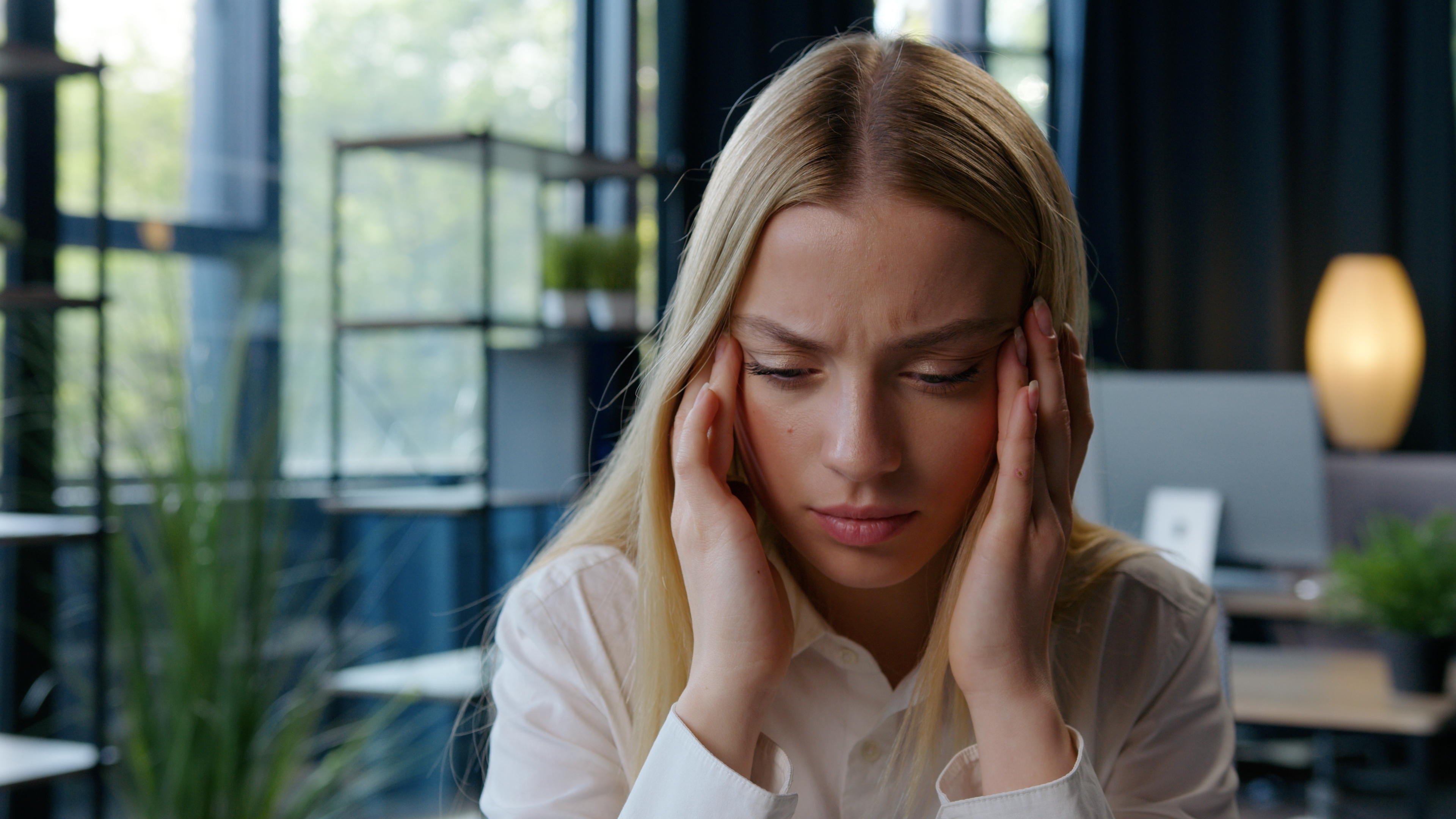
Recovering from a concussion or traumatic brain injury can take time, but lingering vision problems months later can feel frustrating and confusing. You may have been told your eyes are healthy or that your vision is “20/20,” yet reading, driving, screen time, or busy environments still feel overwhelming.
At The NeuroVision Center in Montclair, CA, Dr. Jonathan Attiyah takes a functional approach to vision care, looking beyond eyesight clarity to understand how the visual system and brain are working together after a concussion.
Why Vision Problems Can Continue After a Concussion
Vision is not just about seeing clearly. The brain controls how the eyes team, track, focus, process movement, and interpret visual information. After a concussion or TBI, these systems can become disrupted, even if the eyes themselves are healthy.
Post-TBI visual dysfunction can affect daily tasks because the brain has to work harder to organize visual input. This can lead to symptoms that last for weeks or months, especially when the issue is not identified early.
Common Signs of Post-TBI Visual Dysfunction
Some people notice symptoms right away, while others realize something is wrong when they return to school, work, driving, or screen use. Common symptoms may include:
- Blurry or double vision
- Headaches with reading or computer work
- Dizziness or nausea in visually busy spaces
- Light sensitivity
- Trouble focusing from near to far
- Eye strain or fatigue
- Losing your place while reading
- Difficulty with balance, depth perception, or motion sensitivity
These symptoms can interfere with productivity, comfort, and confidence, especially when they persist long after the initial injury.
Why a Regular Eye Exam May Not Be Enough
A standard eye exam is important, but it may not fully evaluate the visual skills most affected by concussion. Someone can see 20/20 on an eye chart and still struggle with eye teaming, tracking, focusing, visual processing, or peripheral awareness.
A visual rehabilitation examination looks more closely at how the visual system functions during real-life tasks. This helps identify whether lingering symptoms are connected to binocular vision problems, visual processing issues, or other post-concussion visual dysfunction.
How Neuro-Optometric Care Can Help
At The NeuroVision Center, Dr. Attiyah evaluates how the eyes and brain work together after a concussion or TBI. Care may involve optometric vision therapy, visual rehabilitation, or other personalized recommendations based on your symptoms and goals.
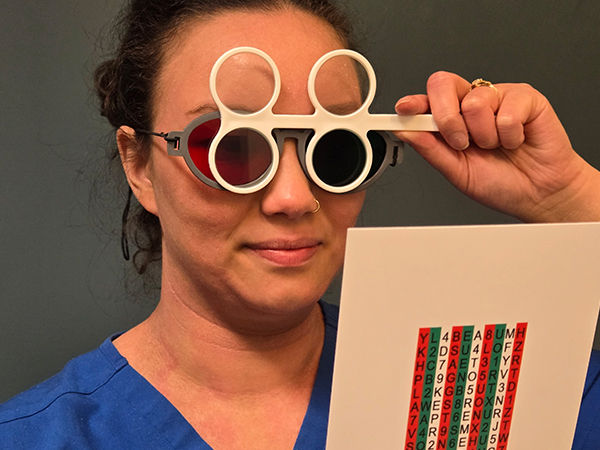
Vision therapy uses guided, in-office activities to help improve visual efficiency, coordination, and comfort. The goal is not just clearer sight, but better visual function for reading, working, moving through space, and returning to daily routines with less strain.
When to Schedule a Visual Rehabilitation Examination
If you are still experiencing headaches, dizziness, light sensitivity, reading difficulty, or visual discomfort months after a concussion, it may be time for a more in-depth evaluation. Persistent symptoms are not something you have to simply push through.
Schedule a visual rehabilitation examination at The NeuroVision Center to evaluate lingering post-concussion vision symptoms and discuss personalized treatment options. Visit our office in Montclair, California, or call (909) 347-7722 to book an appointment today.
All Vision Therapy Services
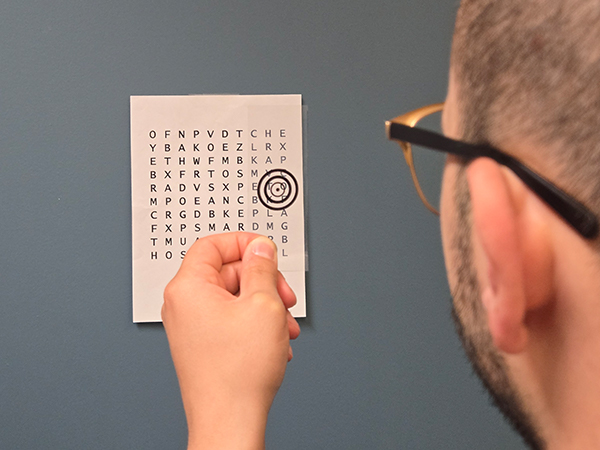
Through personalized optometric vision therapy, we aim to restore and optimize visual performance.
Keep In Touch
For non-urgent questions or to learn more about our services, contact us today!

Our Services
Contact Info
Hours of Operation
- Monday Closed
- Tuesday 1:00 pm - 6:00 pm
- Wednesday Closed
- Thursday 1:00 pm - 6:00 pm
- Friday Closed
- Saturday 9:00 am - 4:00 pm
- Sunday Closed
- Monday
- Tuesday
- Wednesday
- Thursday
- Friday
- Saturday
- Sunday
- Monday
- Tuesday
- Wednesday
- Thursday
- Friday
- Saturday
- Sunday
*Please contact the office to find out who we are in network with.
© 2026 The NeuroVision Center. All rights Reserved -
Accessibility Statement
-
Privacy Policy
-
Sitemap
Managed and Designed by 