Located inside Montclair Optometric Center
How Poor Eye Tracking and Teaming Can Affect Your Child’s Reading Skills
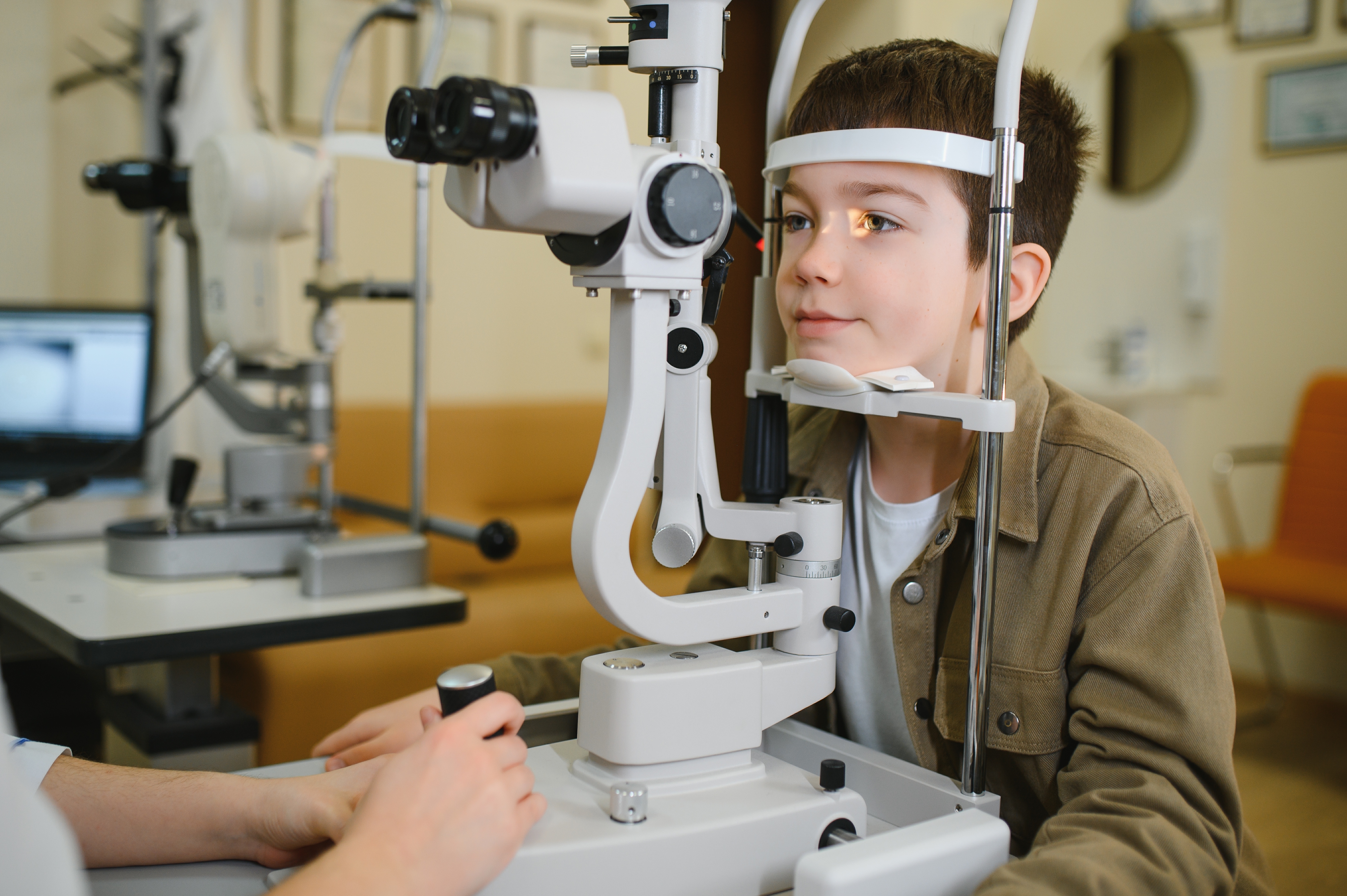
Reading requires more than clear eyesight. A child may see clearly and still struggle with the visual skills needed to move smoothly across a page, keep both eyes aligned, and maintain focus. When eye tracking or eye teaming is inefficient, reading can become tiring, slow, and frustrating.
At The NeuroVision Center in Montclair, we evaluate how the eyes and brain work together during reading and other school-related tasks. Identifying a functional vision problem can help parents understand why a capable child may avoid reading or lose confidence in the classroom.
What Is Eye Tracking?
Eye tracking is the ability to move the eyes accurately from one word to the next. It also allows a child to shift between lines, look from a worksheet to the board, and return to the correct place without getting lost.
Poor eye tracking can cause a child to skip words, reread lines, or use a finger to hold their place. These difficulties may reduce reading speed and make it harder to understand or remember what was read because so much effort is being used to control eye movements.
What Is Eye Teaming?
Eye teaming is the ability of both eyes to work together as a coordinated pair. During near work, the eyes must turn inward and maintain comfortable alignment so the brain receives one clear image.
When the eyes do not team efficiently, a child may experience intermittent blur, double vision, headaches, eye strain, or difficulty sustaining attention. Some children may close or cover one eye while reading because it temporarily makes the task feel easier.
Signs Parents May Notice
Children do not always know how to explain a vision problem. They may assume everyone sees and feels the same way when reading. Possible signs of poor eye tracking or teaming include:
• Losing their place or skipping lines
• Reading slowly despite knowing the words
• Avoiding books or becoming tired quickly
• Rubbing their eyes or complaining of headaches
• Using a finger to guide their eyes
• Struggling to copy from the board
• Understanding material better when it is read aloud
These signs can also have other causes, so a thorough evaluation is important. Vision problems do not cause every reading or learning difficulty, but they can create an additional obstacle that deserves attention.
Why a Routine Eye Exam May Not Find the Problem
A standard vision screening often focuses on distance clarity. It may not fully assess eye tracking, teaming, focusing, visual processing, or the ability to sustain these skills during reading.
A functional vision evaluation looks more closely at how the visual system performs during real-world tasks. At The NeuroVision Center, visual rehabilitation examinations can assess eye tracking, binocular coordination, focusing ability, visual processing, and other skills that may affect academic performance.
How Optometric Vision Therapy May Help
When testing identifies a treatable visual skill deficit, optometric vision therapy may be recommended. Vision therapy uses structured, personalized activities to improve eye coordination, tracking accuracy, focusing control, and visual efficiency.
The goal is not to teach reading. Instead, treatment is designed to make the visual process more comfortable and reliable so a child can use their educational instruction more effectively. Recommendations are based on the child’s evaluation results, symptoms, and individual needs.
Schedule your child’s functional vision evaluation with The NeuroVision Center to identify eye tracking and teaming problems that may be affecting their reading and learning. Contact our office in Montclair, CA, by calling (909) 347-7722 to book an appointment today.
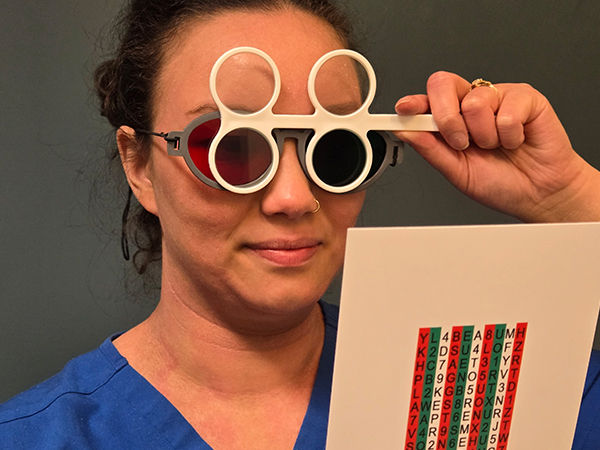
All Vision Therapy Services
Through personalized optometric vision therapy, we aim to restore and optimize visual performance.
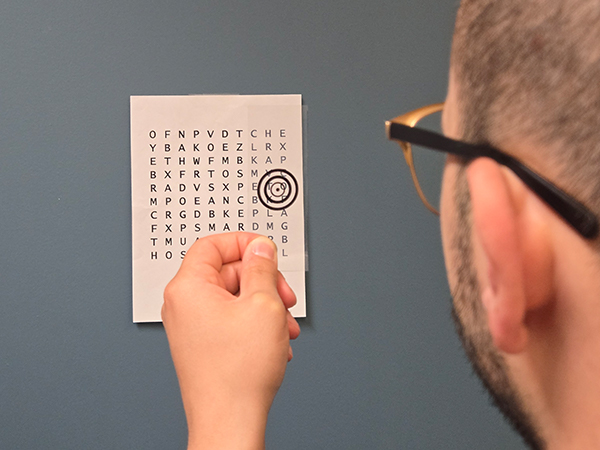
Keep In Touch
For non-urgent questions or to learn more about our services, contact us today!

Our Services
Contact Info
Hours of Operation
- Monday Closed
- Tuesday 1:00 pm - 6:00 pm
- Wednesday Closed
- Thursday 1:00 pm - 6:00 pm
- Friday Closed
- Saturday 9:00 am - 4:00 pm
- Sunday Closed
- Monday
- Tuesday
- Wednesday
- Thursday
- Friday
- Saturday
- Sunday
- Monday
- Tuesday
- Wednesday
- Thursday
- Friday
- Saturday
- Sunday
*Please contact the office to find out who we are in network with.
© 2026 The NeuroVision Center. All rights Reserved -
Accessibility Statement
-
Privacy Policy
-
Sitemap
Managed and Designed by 