Located inside Montclair Optometric Center
Tracking the Problem: How Montclair Students Overcome Eye Teaming and Binocular Vision Dysfunction (BVD) for the New School Year
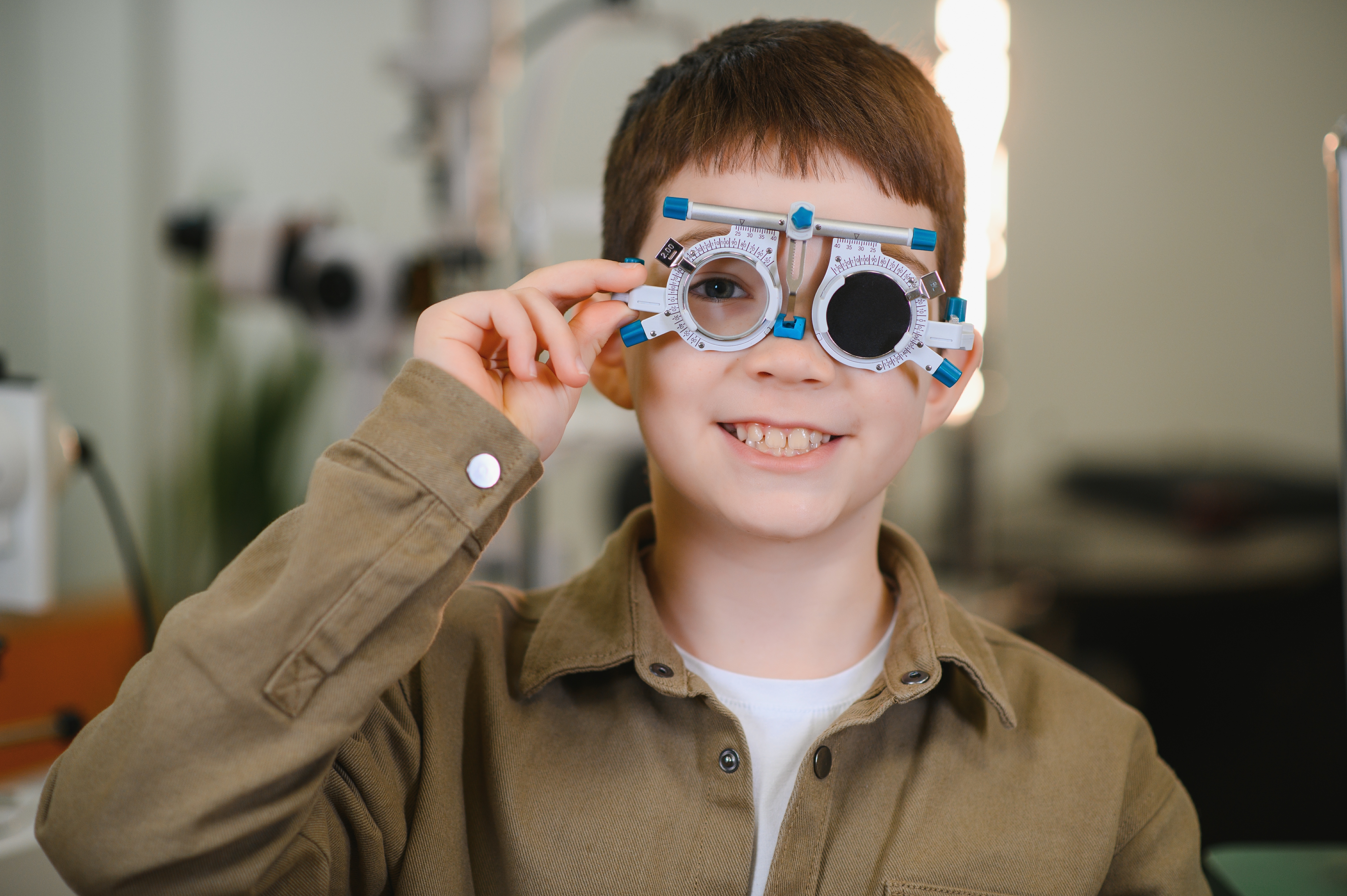
As students in Montclair head back to school, their eyes are expected to work harder throughout the day. Reading, writing, screen use, and copying from the board all depend on precise eye teaming and tracking. When binocular vision dysfunction (BVD) or other coordination problems are present, these tasks can become tiring, frustrating, and harder to manage. At The NeuroVision Center, we evaluate how well the eyes work together so we can identify visual problems that may be affecting classroom performance.
What Is Binocular Vision Dysfunction?
Binocular vision depends on both eyes coordinating as a team so the brain receives one comfortable, stable image. When eye teaming is inefficient, a student may have difficulty with convergence, divergence, focusing, or eye movement control.
These problems can interfere with reading, tracking across a page, copying information, and maintaining visual attention. A student may understand the material but struggle with the visual effort required to complete the work.
Signs Your Child May Be Struggling With Eye Teaming
Parents and teachers in Montclair may notice symptoms that become more obvious once classroom demands increase. Signs of BVD or related visual difficulties can include:
• Skipping words or losing place while reading
• Headaches or eye strain after schoolwork
• Blurry or double vision during near tasks
• Difficulty copying information from the board
• Closing or covering one eye while reading
• Avoiding reading or needing frequent breaks
• Trouble maintaining attention during visually demanding assignments
These symptoms do not automatically mean a child has binocular vision dysfunction, but they are a reason to take a closer look at functional visual skills.
Looking Beyond a Standard Vision Screening
School vision screenings are important, but they generally do not provide a complete evaluation of eye teaming, tracking, focusing, and visual processing. A child can see letters clearly on an eye chart while still experiencing significant difficulty using both eyes together.
At our Montclair office, a visual rehabilitation examination allows us to assess how the visual system functions. When appropriate, a Visual Processing Assessment can provide additional information about how a student perceives and processes visual information.
How Optometric Vision Therapy Helps
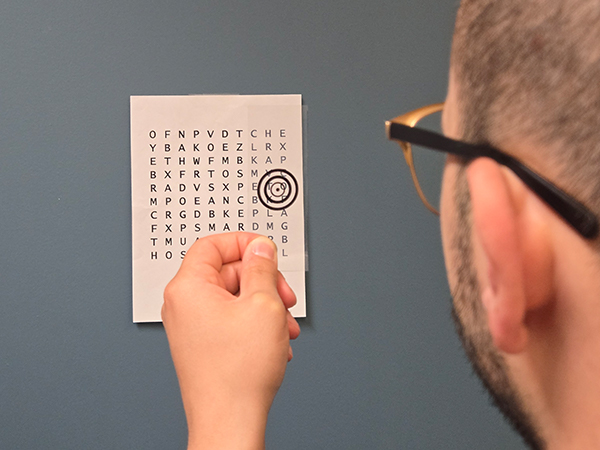
When binocular vision or eye tracking difficulties are identified, optometric vision therapy may be recommended. Vision therapy uses individualized activities to improve the neuromuscular control and efficiency of the visual system. Our in-office sessions are designed around each patient's specific needs. Therapy may address eye teaming, tracking, focusing, visual processing, and other skills that support comfortable reading and classroom performance.
Schedule a functional vision evaluation for your child at The NeuroVision Center to determine whether eye teaming difficulties or binocular vision dysfunction may be affecting their school performance. Contact our office in Montclair, CA, at (909) 347-7722 to book an appointment today.
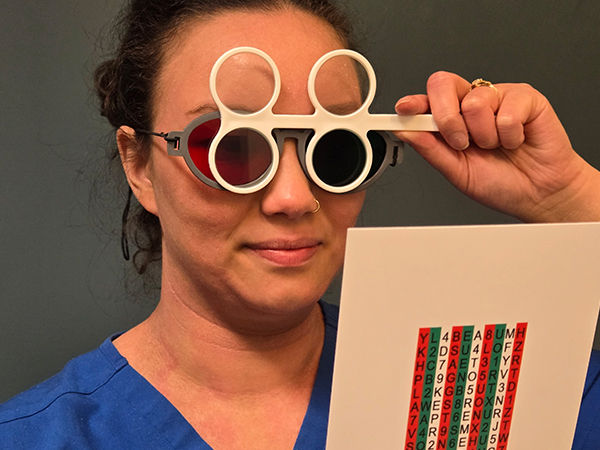
All Vision Therapy Services
Through personalized optometric vision therapy, we aim to restore and optimize visual performance.
Keep In Touch
For non-urgent questions or to learn more about our services, contact us today!

Our Services
Contact Info
Hours of Operation
- Monday Closed
- Tuesday 1:00 pm - 6:00 pm
- Wednesday Closed
- Thursday 1:00 pm - 6:00 pm
- Friday Closed
- Saturday 9:00 am - 4:00 pm
- Sunday Closed
- Monday
- Tuesday
- Wednesday
- Thursday
- Friday
- Saturday
- Sunday
- Monday
- Tuesday
- Wednesday
- Thursday
- Friday
- Saturday
- Sunday
*Please contact the office to find out who we are in network with.
© 2026 The NeuroVision Center. All rights Reserved -
Accessibility Statement
-
Privacy Policy
-
Sitemap
Managed and Designed by 