Located inside Montclair Optometric Center
Start the School Year Strong With Myopia Management
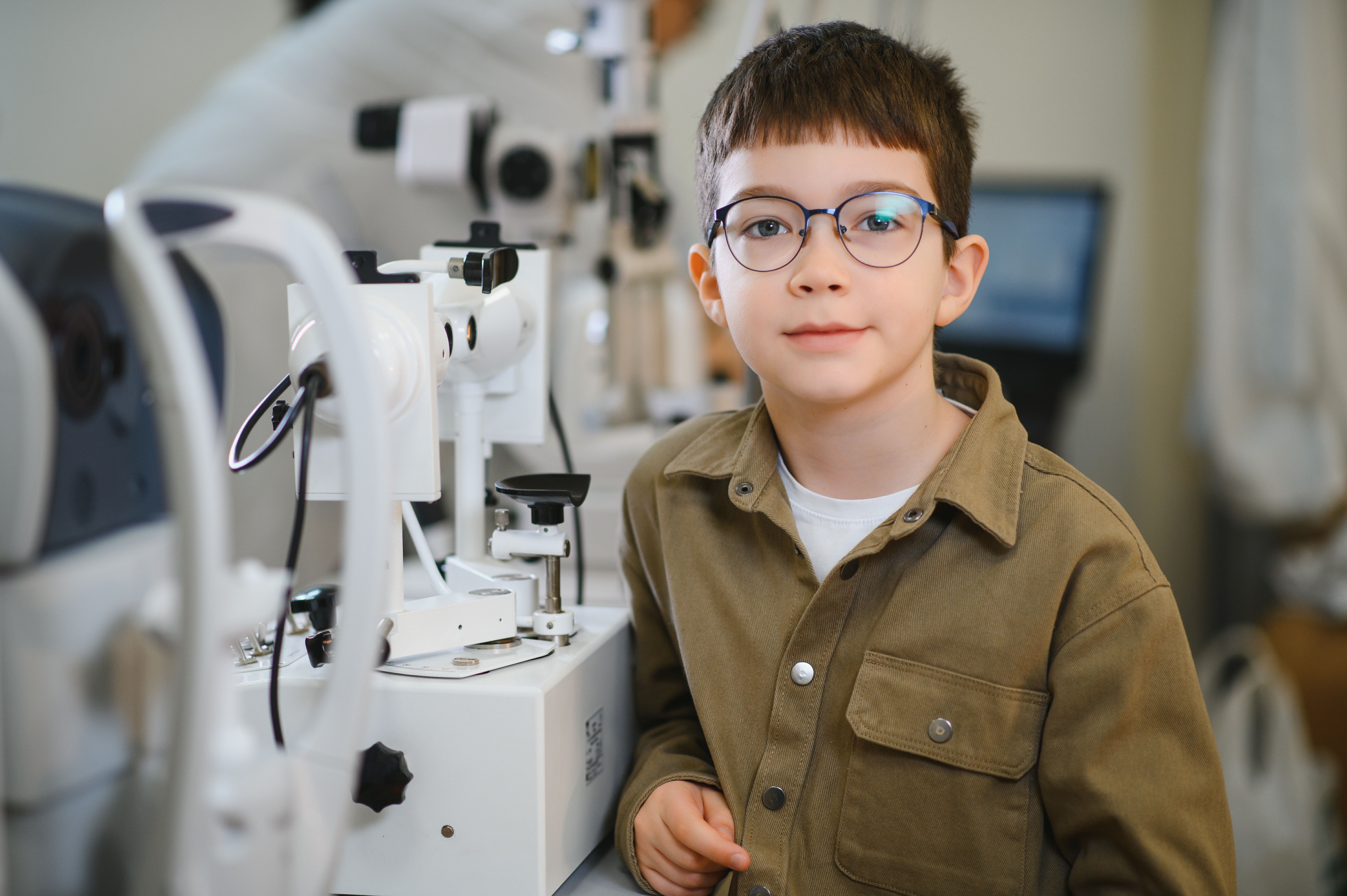
As students return to classrooms, clear distance vision becomes especially important for seeing the board, reading presentations, participating in activities, and navigating the school day confidently. For children with myopia, standard glasses sharpen vision, but they do not address how nearsightedness may progress as the eyes grow. At The NeuroVision Center, we provide personalized myopia management in Montclair to help slow this progression and support each child’s long-term visual health.
Understanding Childhood Myopia
Myopia, commonly called nearsightedness, causes distant objects to appear blurry while nearby objects remain clearer. It often develops during childhood when the eye grows too long from front to back, causing light to focus in front of the retina instead of directly on it.
A child with myopia may squint to see the board, sit closer to the television, hold devices near their face, or report difficulty recognizing people and objects from a distance. Because children may not realize their vision is changing, a comprehensive pediatric eye exam is important for identifying myopia before it begins interfering with daily activities.
The Importance of Slowing Myopia Progression
Myopia may continue to worsen throughout the school years. As prescriptions become stronger, the eye may also undergo greater structural changes. Higher levels of myopia are associated with an increased lifetime risk of conditions such as retinal detachment, glaucoma, and cataracts.
Myopia management is designed to do more than provide clear vision today. It focuses on slowing progression while a child’s eyes are still developing. Beginning treatment early may help reduce how strong the prescription becomes over time.
Personalized Myopia Management Options
There is no single solution that is right for every child. At our Montclair office, we evaluate factors such as age, prescription, eye health, rate of progression, lifestyle, focusing ability, and ability to follow treatment instructions. A customized plan may include:
• Low-dose topical eye drops
• Orthokeratology lenses worn overnight
• Specialty soft multifocal contact lenses
• Vision therapy for patients with accommodative spasm or other focusing and binocular vision concerns
• Regular examinations to monitor prescription and eye growth
• Guidance on healthy visual habits and outdoor activity
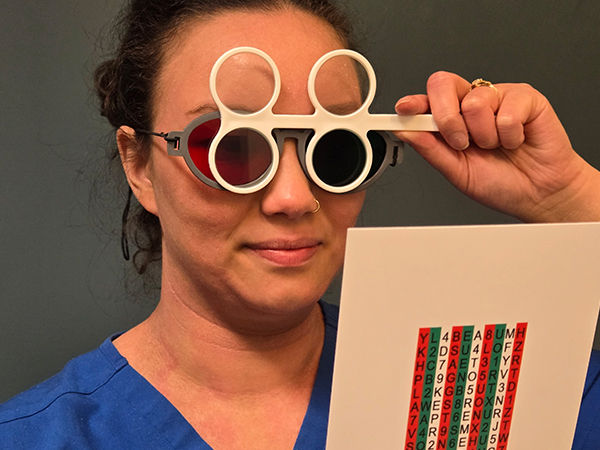
For some patients, myopia symptoms are also connected to how the eyes focus, especially when accommodative spasm causes the focusing system to work too hard. In these cases, vision therapy may be included as part of a personalized myopia management plan. Vision therapy helps improve focusing skills, eye coordination, and overall visual comfort while other myopia management options address the progression of nearsightedness.
Supporting Better Visual Habits During School
Daily habits complement professional myopia management. Encourage your child to take regular breaks during reading and screen use, maintain a comfortable working distance, and spend time outdoors when possible. Balancing near work with outdoor activity helps support healthy visual development.
Parents should also pay attention to frequent squinting, headaches, eye strain, declining distance vision, or repeated prescription changes. These signs may indicate progressing myopia or an underlying focusing issue that deserves further evaluation.
Prepare Your Child for the Classroom
A back-to-school eye exam gives us an opportunity to assess your child’s vision, identify changes, evaluate how the eyes focus and work together, and determine which myopia management options are appropriate. By addressing progressive nearsightedness and related visual concerns early, we help your child begin the school year with clearer, more comfortable vision and a plan designed to protect their eyesight as they grow.
Schedule a pediatric eye exam at The NeuroVision Center to learn how personalized myopia management and vision therapy can support your child’s vision for the school year. Contact our office in Montclair, CA, at (909) 347-7722 to book an appointment today.
All Vision Therapy Services
Through personalized optometric vision therapy, we aim to restore and optimize visual performance.
Keep In Touch
For non-urgent questions or to learn more about our services, contact us today!

Our Services
Contact Info
Hours of Operation
- Monday Closed
- Tuesday 1:00 pm - 6:00 pm
- Wednesday Closed
- Thursday 1:00 pm - 6:00 pm
- Friday Closed
- Saturday 9:00 am - 4:00 pm
- Sunday Closed
- Monday
- Tuesday
- Wednesday
- Thursday
- Friday
- Saturday
- Sunday
- Monday
- Tuesday
- Wednesday
- Thursday
- Friday
- Saturday
- Sunday
*Please contact the office to find out who we are in network with.
© 2026 The NeuroVision Center. All rights Reserved -
Accessibility Statement
-
Privacy Policy
-
Sitemap
Managed and Designed by 