Located inside Montclair Optometric Center
Long-COVID and Brain Fog: Understanding Optometric Phototherapy and Autonomic Balance

Long COVID can leave you struggling with brain fog, light sensitivity, and difficulty concentrating long after the initial infection. These lingering symptoms can make everyday activities more challenging. At The NeuroVision Center, we help patients from San Bernardino and surrounding communities explore how visual function may contribute to their discomfort and whether specialized vision care could help.
Understanding Long-COVID Brain Fog and Visual Symptoms
Brain fog is a common symptom of Long COVID that can affect memory, concentration, and mental clarity. Some individuals also experience visual discomfort, headaches, dizziness, or increased sensitivity to light.
For patients with these symptoms, reading, working on computers, or navigating visually busy environments may become exhausting. Although brain fog is not necessarily caused by a vision problem, difficulties with visual processing or eye coordination can add to everyday discomfort. Our approach focuses on identifying whether visual dysfunction may be contributing to these challenges.
How Long COVID Can Affect the Autonomic Nervous System
The autonomic nervous system controls involuntary functions such as heart rate, blood pressure, and pupil responses. Some people with Long COVID experience autonomic dysfunction, sometimes called dysautonomia, which can contribute to dizziness, fatigue, and other symptoms.
Because visual function involves coordination between the eyes and brain, we consider how patients respond to visual demands during their evaluations. However, autonomic dysfunction requires appropriate medical assessment, and vision care does not replace treatment for Long COVID.
What Is Optometric Phototherapy?
Optometric phototherapy, also known as syntonic light therapy, is a non-invasive approach that uses selected wavelengths of light. At The NeuroVision Center, we offer this therapy as a complementary option within our visual rehabilitation services.
The approach is intended to influence visual responses and support visual comfort. However, scientific evidence remains limited, and research has not established that optometric phototherapy restores autonomic balance or directly treats Long-COVID brain fog. We consider each patient's symptoms, visual findings, and individual needs before discussing whether phototherapy may be appropriate.
Signs You May Benefit From a Functional Vision Evaluation
If you are experiencing ongoing symptoms following COVID-19, a functional vision evaluation may be worth considering, particularly when you notice:
• Light sensitivity: Increased discomfort under bright lights or while using digital screens.
• Visual fatigue: Eyestrain or headaches during reading and computer work.
• Focusing difficulties: Trouble maintaining clear, comfortable vision during close-up tasks.
• Visual coordination problems: Difficulty tracking moving objects or keeping your place while reading.
• Dizziness in busy environments: Discomfort in crowded spaces or areas with significant visual movement.
These symptoms can have several possible causes, so a thorough evaluation is important.
Our Personalized Approach to Visual Rehabilitation
At The NeuroVision Center, we take time to understand each patient's symptoms, medical history, and daily visual challenges. Our visual rehabilitation examinations assess aspects of visual function, including eye teaming, tracking, focusing, and visual processing when appropriate. Based on our findings, we may discuss optometric vision therapy, phototherapy, or additional evaluations.
If lingering visual discomfort is affecting your daily life after COVID-19, schedule a consultation with The NeuroVision Center to explore your visual health and available care options. Visit our office in Montclair, CA, or call (909) 347-7722 to book an appointment today.
Quick Links
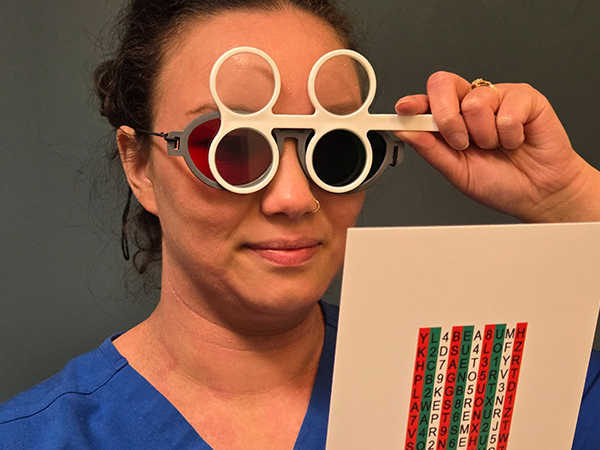
All Vision Therapy Services
Through personalized optometric vision therapy, we aim to restore and optimize visual performance.
Keep In Touch
For non-urgent questions or to learn more about our services, contact us today!

Quick Links
Our Services
Contact Info
Hours of Operation
- Monday Closed
- Tuesday 1:00 pm - 6:00 pm
- Wednesday Closed
- Thursday 1:00 pm - 6:00 pm
- Friday Closed
- Saturday 9:00 am - 4:00 pm
- Sunday Closed
- Monday
- Tuesday
- Wednesday
- Thursday
- Friday
- Saturday
- Sunday
- Monday
- Tuesday
- Wednesday
- Thursday
- Friday
- Saturday
- Sunday
*Please contact the office to find out who we are in network with.
© 2026 The NeuroVision Center. All rights Reserved -
Accessibility Statement
-
Privacy Policy
-
Sitemap
Managed and Designed by 