Located inside Montclair Optometric Center
How Autoimmune Diseases Impact Eyesight
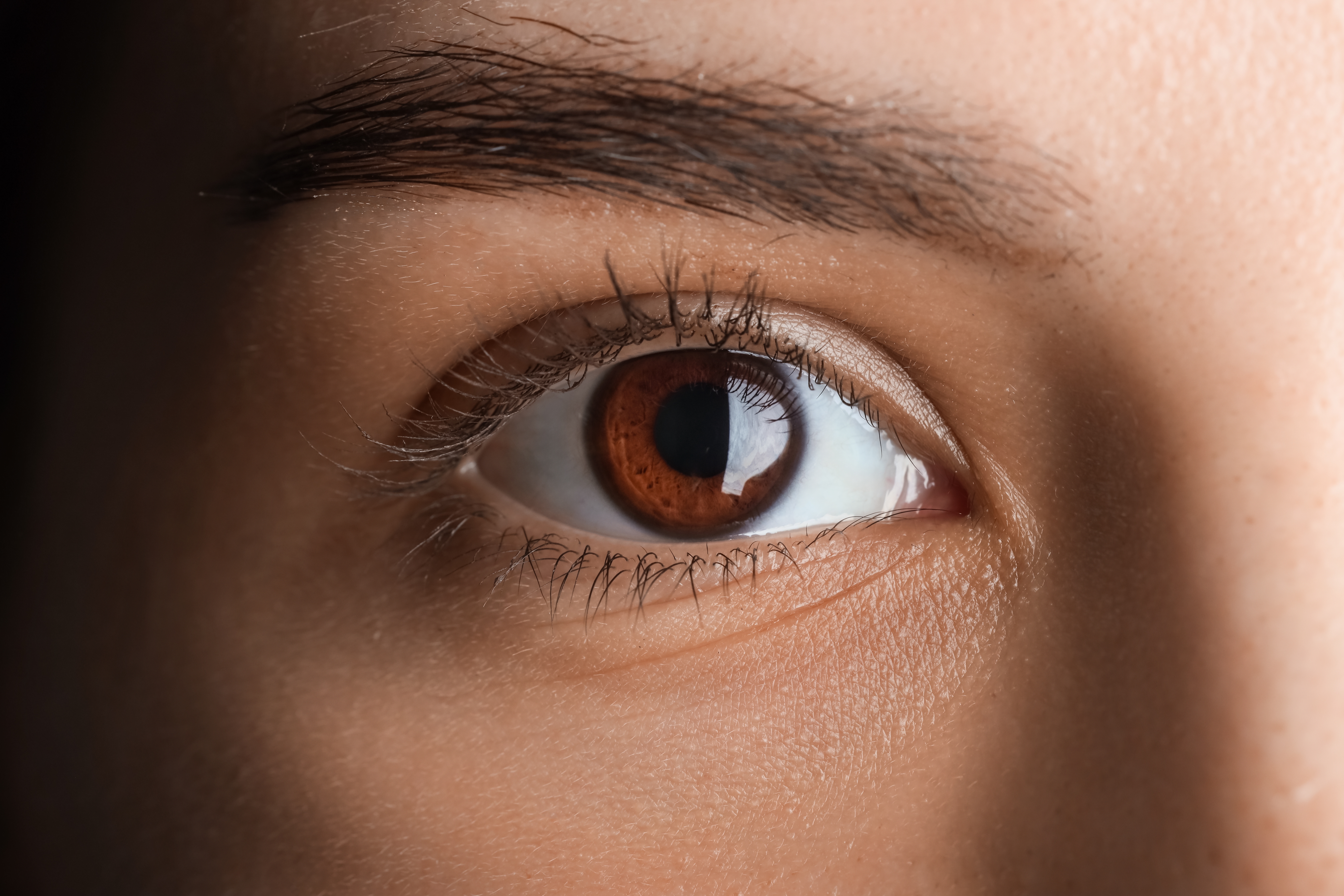
Autoimmune diseases can affect more than joints, skin, digestion, or energy levels. Because the eyes rely on healthy nerves, blood vessels, muscles, and tear production, inflammation from autoimmune conditions can sometimes interfere with clear, comfortable vision. For some patients, eye symptoms may be one of the first signs that the immune system is affecting the body in a broader way.
Why Autoimmune Diseases Can Affect the Eyes
Autoimmune diseases occur when the immune system mistakenly attacks healthy tissue. When this inflammation involves the eyes or visual system, it may affect the surface of the eye, the optic nerve, the retina, or the muscles that help the eyes work together.
Conditions such as rheumatoid arthritis, lupus, multiple sclerosis, Sjögren’s syndrome, thyroid eye disease, and inflammatory bowel disease can all be associated with eye-related concerns. Symptoms may come and go, or they may become more noticeable during flare-ups.
Common Vision Symptoms to Watch For
Eye symptoms related to autoimmune disease can vary depending on the condition and the part of the eye affected. Some symptoms may feel mild at first but should still be evaluated, especially if they are new, recurring, or getting worse.
Common concerns may include:
- Dry, gritty, or burning eyes
- Blurred or fluctuating vision
- Eye redness or irritation
- Light sensitivity
- Eye pain or pressure
- Double vision
- Headaches with visual strain
- Sudden changes in vision
Sudden vision loss, severe eye pain, or new double vision should be treated as urgent symptoms.
Dry Eye and Autoimmune Disease
Dry eye is one of the most common ways autoimmune conditions affect eyesight. Sjögren’s syndrome, rheumatoid arthritis, lupus, and thyroid-related conditions can reduce tear production or disrupt tear quality. This may cause burning, stinging, watering, redness, and the feeling that something is in the eye.
When dry eye is linked to inflammation, over-the-counter drops may not be enough. A comprehensive eye evaluation with Dr. Attiyah can help determine whether symptoms are related to tear production, eyelid gland function, inflammation, or another underlying issue.
Neurological and Visual Function Changes
Some autoimmune diseases can affect the nervous system, which may change how the brain and eyes communicate. Multiple sclerosis, for example, may be associated with optic nerve inflammation, blurred vision, eye pain with movement, or changes in visual clarity.
Autoimmune-related inflammation can also contribute to visual discomfort, difficulty focusing, eye teaming problems, or reduced visual stamina. These concerns may affect reading, screen use, driving, balance, and daily performance.
Looking Beyond 20/20 Vision
A standard eye exam is important for checking eye health and clarity, but some patients need a deeper look at how their visual system is functioning. At The NeuroVision Center in Montclair, care goes beyond 20/20 eyesight by evaluating how the eyes work together, how visual information is processed, and how symptoms may be affecting daily life.
This can be especially helpful for patients experiencing double vision, headaches, dizziness, light sensitivity, visual fatigue, or difficulty focusing. Depending on the findings, care may include personalized recommendations, visual rehabilitation, optometric vision therapy, or supportive approaches designed to improve visual comfort and function.
Get Personalized Care for Autoimmune-Related Vision Concerns
If you have an autoimmune disease and notice changes in your eyesight, do not wait for symptoms to become severe. Early evaluation can help identify inflammation, dry eye, binocular vision problems, or neurological vision concerns before they interfere more with daily life. Regular eye care is also important if you take medications that may affect the eyes or if your autoimmune condition is known to increase the risk of eye complications.
Schedule a comprehensive vision evaluation with The NeuroVision Center to better understand autoimmune-related vision changes and explore personalized care options. Visit our office in Montclair, California, or call (909) 347-7722 to book an appointment today.
All Vision Therapy Services
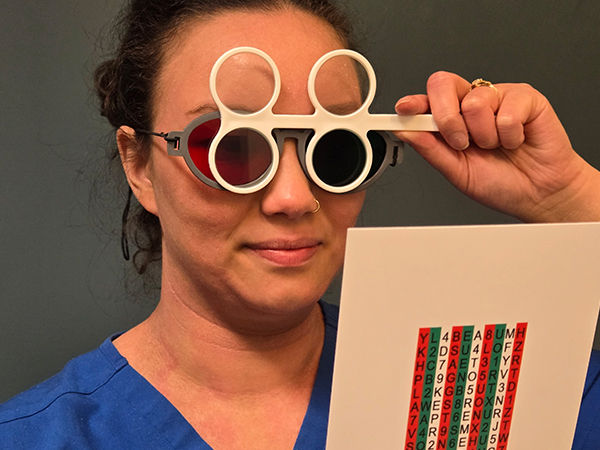
Through personalized optometric vision therapy, we aim to restore and optimize visual performance.
Keep In Touch
For non-urgent questions or to learn more about our services, contact us today!

Our Services
Contact Info
Hours of Operation
- Monday Closed
- Tuesday 1:00 pm - 6:00 pm
- Wednesday Closed
- Thursday 1:00 pm - 6:00 pm
- Friday Closed
- Saturday 9:00 am - 4:00 pm
- Sunday Closed
- Monday
- Tuesday
- Wednesday
- Thursday
- Friday
- Saturday
- Sunday
- Monday
- Tuesday
- Wednesday
- Thursday
- Friday
- Saturday
- Sunday
*Please contact the office to find out who we are in network with.
© 2026 The NeuroVision Center. All rights Reserved -
Accessibility Statement
-
Privacy Policy
-
Sitemap
Managed and Designed by 